
Why does the same message inspire one employee while leaving another frustrated or disengaged?
As a manager, you’ve probably experienced this before. You communicate the same information, in the same meeting, using the same words—yet the reactions couldn’t be more different. One person understands immediately and moves forward. Another becomes defensive, withdraws, or appears resistant to change.
This isn’t simply a matter of personality or attitude. More often than not, it’s a question of communication style.
The Process Communication Model® (PCM) helps managers, leaders and teams understand why people communicate differently—and how adapting your communication can improve collaboration, employee engagement and performance.
What Is the Process Communication Model® (PCM)?
The Process Communication Model® (PCM) is a personality and communication model developed by American psychologist Taibi Kahler. Originally designed to support the selection of NASA astronauts, it has since become one of the world’s leading tools for leadership development, management training and interpersonal communication.
PCM is based on a simple idea: every person has a unique personality structure made up of six personality types. Although we all share these six types, one tends to dominate, influencing how we perceive situations, make decisions, communicate with others and respond to stress.
Understanding this personality structure enables managers to answer two essential questions:
- How does this person naturally process information—through facts, emotions, opinions or reflection?
- What psychological needs must be met for this person to remain motivated, engaged and productive at work?
These insights help leaders communicate more effectively while creating healthier and more resilient teams.
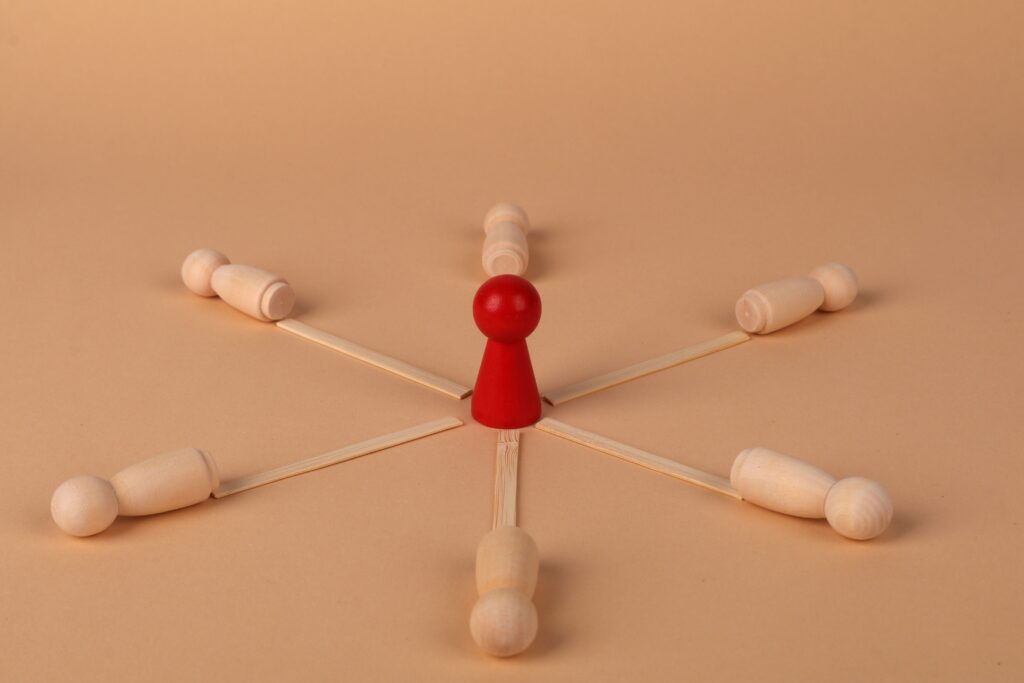
Why the Same Message Can Produce Completely Different Reactions
Imagine announcing a major organisational change to your team.
One employee values structure, precision and clear information. If the announcement focuses mainly on team spirit and shared values without explaining the practical details, they may feel uncertain or anxious because the information they need is missing.
Another employee, however, first needs to feel acknowledged on a personal level. A message that is factual and perfectly organised may still feel cold or impersonal, even though the manager’s intentions are entirely positive.
In both cases, the message itself is appropriate.
What changes is the communication channel.
When managers adapt how they communicate—not what they communicate—they significantly increase understanding, trust and engagement.
How PCM Improves Leadership and Team Management
One of PCM’s greatest strengths is that it starts with self-awareness.
Before adapting your communication to others, it’s essential to understand your own communication preferences and stress behaviours.
How do you react under pressure?
Do you become overly critical? Withdraw from conversations? Try to control every detail? Become excessively perfectionistic?
Recognising your own stress patterns early allows you to manage them before they affect your leadership.
From there, PCM becomes a practical day-to-day management tool that helps leaders:
- Adapt their leadership style to different personality types.
- Increase employee motivation by responding to individual psychological needs.
- Deliver difficult conversations more effectively without changing the message itself.
- Detect early signs of stress before they escalate into conflict, disengagement or burnout.
- Reduce misunderstandings and strengthen workplace relationships.
- Build more collaborative, resilient and high-performing teams.
Rather than relying on a one-size-fits-all management style, PCM encourages leaders to communicate in ways that resonate with each individual.

PCM Doesn’t Put People Into Boxes
One of the biggest misconceptions about the Process Communication Model® is that it labels people.
In fact, the opposite is true.
Every individual possesses all six personality types. The difference lies in how these traits are organised within each person’s personality structure and how they evolve throughout life and under stress.
PCM provides a flexible framework for understanding human behaviour rather than assigning fixed categories.
This dynamic approach explains why it remains such a valuable tool for long-term leadership development, coaching and team performance.
Who Is PCM Training For?
Process Communication Model® training is designed for anyone who wants to improve communication and strengthen interpersonal relationships.
It is particularly valuable for:
- Managers and team leaders.
- HR professionals.
- Executives.
- Coaches and consultants.
- Trainers.
- Anyone seeking to improve emotional intelligence, leadership and communication skills.
Training can be delivered through individual coaching sessions, offering an in-depth understanding of your own personality structure, or through team workshops, where colleagues develop a shared language for communication, collaboration and conflict prevention.
Develop Stronger Leadership with PCM
Understanding personality differences is one of the most effective ways to improve leadership, management and workplace communication.
By learning to recognise different communication styles, psychological needs and stress patterns, managers create stronger relationships, increase employee engagement and foster healthier, more productive teams.
Whether you’re leading a small team or an entire organisation, the Process Communication Model® provides practical tools that transform the way people communicate and work together.
Want to better understand yourself and improve communication within your team?
Discover the Process Communication Model® (PCM) training offered by Human Déclic, available as individual coaching or group workshops, and develop more effective, confident and people-centred leadership.