
HR
Outsourced HR Practices: Trends for 2026
HR trends and practices in 2026: outsourcing, skills, AI and wellbeing. How can you apply them to strengthen engagement and performance?
HR trends and practices in 2026: outsourcing, skills, AI and wellbeing. How can you apply them to strengthen engagement and performance?

HR and mental health: help teams spot signs of distress and give HR clear guidance to respond appropriately in the day-to-day life of an SME.

What is a workshop to talk about mental health at work? A participatory session to understand the mechanisms of stress and find collective solutions in 2026.

Discover the role and rates of an HR consultant for your SME in 2026. Local expertise, transparency and solutions tailored to your needs.

How can you strengthen trust and local leadership in 2026? Proven solutions to improve workplace relationships and boost HR performance in your organisation.

In 2026, effective leaders rely on trust to strengthen their leadership. Here are four qualities to develop to motivate and engage your teams.

In 2026, psychosocial skills are reshaping leadership. Explore the WHO’s 10 pillars and practical strategies for integrating them into everyday work.

A skills assessment and coaching can help you clarify a career plan, choose the right support and prepare for your next role.

HR support for a subsidiary helps align practices with headquarters, clarify roles and adapt decisions together to local realities.

In 2026, tailored executive support aligns strategy and leadership. I adapt every step to your specific challenges and goals.

An honest comparison of the three ways to organise HR in a mid-sized company: an in-house hire, an outsourced HR consultancy, fractional HR. With, for each, the situations where it is the right call and those where it is not.

A map of the building blocks of the HR function: the ones to delegate first, the ones that wait for the second stage, the ones that are never delegated, and the order of priority that changes with your headcount.

The job of an independent HR consultant without the jargon: the assignments actually taken on, what stays outside the scope, the five selection criteria that matter, and how to frame the assignment from the first conversation.

A fractional HR director is not administrative reinforcement: it is an HR directorship exercised part-time, with a seat on the leadership team. How to know whether that is the level you need, and when it is not.

When does a small or mid-sized company have an interest in outsourcing its HR? The six situations that trigger the decision, what a fractional HR professional takes on, and the cases where it is not the right answer.
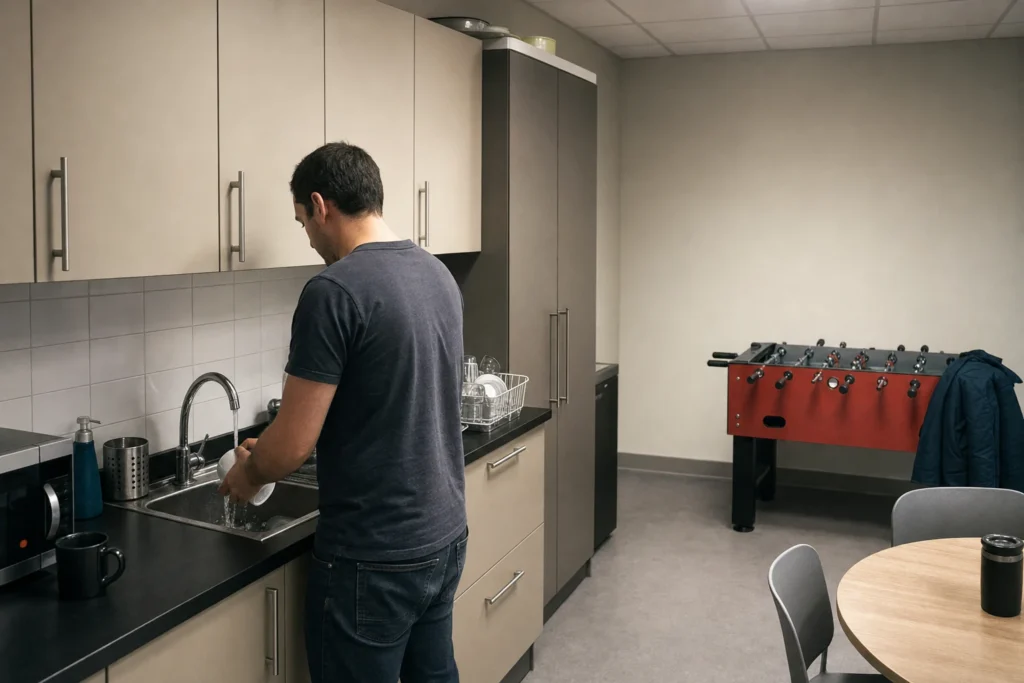
The table football table is not the problem: it becomes one when it stands in for prevention. My grid for sorting wellbeing initiatives at work and deciding what to fund.

I run this awareness workshop in companies. How a session unfolds, what gets said, the two versions available, and what it actually changes in a team afterwards.

The real framework of employer obligations on mental health at work in France: article L. 4121-1, the prevention principles, the single risk assessment document, harassment, and the written records that prove them.

The risk factors for burnout are organisational. What a manager can settle alone, what has to be escalated in writing, and where the role stops.

Workplace stress is first an organisational problem: its causes, what it produces inside a company, and the prevention levers on the management side.

How to spot emerging disengagement, tell a passing rough patch from a real alert, and what an organisation can put in place before breaking point.

Individual and collective signs of distress at work, a 48-hour response grid, a four-step conversation outline and the internal referral routes to activate.

What a mental health first aider concretely does inside a company, what they never do, who they signpost to, and how the person holding the role is protected.
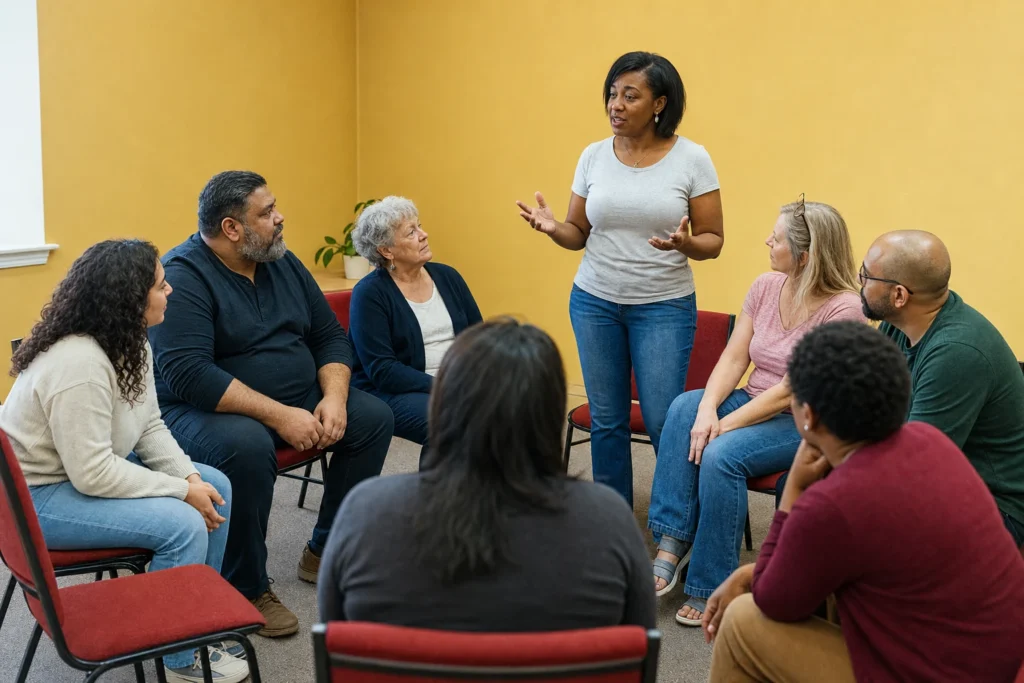
What the two-day mental health first aid course teaches, what a trained first aider can and cannot do, and how to choose the people to train in your company.

What psychosocial risks actually cover, the six families of factors used in France, the employer’s legal obligations, and the assessment and action-plan method I run inside small and mid-sized companies.

The legal and tax side of a move to France usually has an owner; the HR and human side rarely does. Permit timelines, the rule that decides who may work, and what really breaks a relocation.

The Code du travail is only the floor: a sector-wide collective agreement applies to your French entity automatically and can be stricter than the law. The operational essentials for a foreign employer, article by article, with the traps that cost the most.

An honest comparison of what an Employer of Record platform genuinely does for your French subsidiary, what it does not do, and when a human HR partner on the ground is the better answer.

When head office is abroad and there is no HR in France, the question is not administrative but human: who is your contact on the ground? What a single French-speaking HR point of contact changes, and how to frame the relationship.

The concrete sequence for building the HR function of a French subsidiary when headquarters sits abroad: what to settle before the first hire, what the first employee triggers, and the headcount thresholds that change the rules.